
A toilet repair means fixing the working parts inside and under the fixture instead of replacing the whole thing. Those jobs fall into a few groups. Tank repairs cover the flapper, fill valve, flush valve and handle. Base repairs cover the wax ring, closet bolts and the supply line. Drain repairs deal with clogs in the trap, the branch line, or the main sewer. Each group has its own symptoms, and telling them apart saves money. A tank part is a small fix. A main line problem is not. Houses here run from old farmsteads to subdivisions built in the last twenty years, and the plumbing inside them behaves differently. This page walks through what fails first, how to read the signs, and when a fixture is past saving.
A Running Toilet Is the Most Common Toilet Repair
The most common toilet repair is a running toilet. Nearly every one comes down to three parts. Lift the tank lid and you are looking at the culprit.
A toilet left running can waste gallons every hour, quietly, all night long. The tank parts have barely changed in decades, as the reference entry on the flush toilet shows. Water in Utah County is hard, so minerals build on rubber and plastic faster here. They shorten the life of every seal. The good news is simple. Most running toilets need parts, not a new fixture. We rarely carry one out the door for this.
- Flapper - the rubber seal that drops over the flush valve and holds water in the tank
- Fill valve - the column that refills the tank and shuts off at the set level
- Flush valve seat - the rim the flapper lands on, which minerals roughen over time
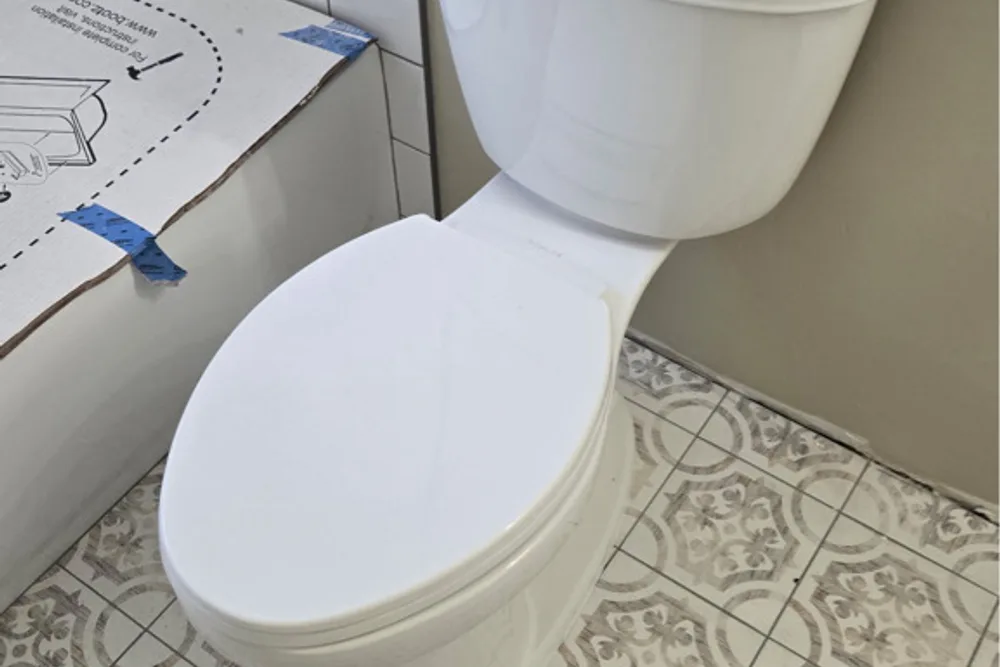
How to Tell Why Your Toilet Keeps Running
Start by listening. A toilet that hisses or refills on its own between flushes is losing water somewhere. Put a few drops of food colouring in the tank and wait twenty minutes. Colour in the bowl means the flapper is not sealing. Most of the time that one test ends the guessing.
Next, look at the overflow tube standing in the middle of the tank. Water trickling into it means the fill valve is set too high. Then work the handle by hand. A chain that is too short props the flapper open just enough to leak. So does a handle arm rubbing the tank wall. Write down what you saw before you call. In older homes here, the bathroom sits over a crawl space. That short list keeps us from crawling under twice.
Takes about two minutes.
Signs the Toilet Flapper Has Gone Bad
Shut the supply off and feel the flapper. Good rubber is firm and slightly tacky. Bad rubber is slimy, stiff, or warped out of round, and it leaves black smudges on your fingers. Run a finger around the flush valve seat underneath it. A gritty mineral crust there will stop even a brand new flapper from sealing.
Two more tells are easy to spot. If you have to hold the handle down for a full flush, the flapper is dropping too early. If the tank refills on its own with nobody in the bathroom, it is leaking down. Check size and style before you buy, because two inch and three inch flappers look alike on the shelf. Our dry valley air is hard on spares. One that sat in a cabinet for years is already stiff. Bring the old one with you.
Telling a Simple Clog From a Bigger Drain Problem
A toilet that drains slowly and holds high water in the bowl usually has a local clog. It sits in the trap or the short branch line behind the fixture. A plunger often clears it. Bubbling is a different story. Air trapped in the drain line has to escape, and it pushes up through the bowl.
If other fixtures gurgle when you flush, the trouble is further out, near the main line. In long-settled parts of the valley, older clay sewer lines take roots in at the joints. Those roots catch paper until the pipe packs solid. Stop plunging after a few honest tries. That is when we put a camera down the line and look, rather than shoving the blockage deeper. Guessing gets expensive fast.
When to Repair the Toilet and When to Replace It
Repair is the right call more often than people expect. Flappers, fill valves, supply lines, wax rings and handles are all small parts. They have a long life ahead of them. Replace the fixture when the tank or bowl is cracked. Replace it when it leaks at the base again after a proper reset. Replace it too when it rocks on the floor. A rocking toilet grinds the wax ring flat every time someone sits down.
Older high-volume toilets use far more water per flush than current low-flow models. An ageing fixture can cost more to keep than to swap. Buying a seat is simple. Measure from the bolt holes to the front rim, round or elongated. Fixture and venting rules follow the plumbing code your city adopts, published by the International Code Council. Ask the local building authority before moving a drain. On a worn builder-grade toilet, we replace instead of chasing leaks.
Simple Habits That Prevent Repeat Toilet Repairs
Flush waste and toilet paper, and nothing else. Wipes, cotton pads, floss and paper towels all snag in the trap and build from there. Skip the drop-in cleaner tablets that sit in the tank. The bleach in them chews through flappers and fill valve seals. We pull the evidence out all the time.
Twice a year, lift the lid and look at the parts. Spring and fall are easy to remember. Watch the water bill too. A quiet jump with no change in habits usually means a tank is leaking down overnight. You can find Plumber Man Utah on our Google Business Profile for hours and directions in Spanish Fork. Call (385) 230-3674 if the hiss comes back.
The Bottom Line
The most common toilet repair is a running toilet, and it is nearly always the flapper, the fill valve, or the seat they close against. Listen for the hiss, run the dye test, and check the chain. If other fixtures gurgle when you flush, the trouble is in the drain line, not the tank. Cracks, repeat base leaks and a rocking fixture mean replacement. Our main toilet repair page for Spanish Fork covers the rest of the work we handle, from wax rings to full swaps.