The rest of the line stays where it is, inside the wall or under the slab. At Plumber Man Utah in Spanish Fork, this is most of what we do on a leak call. A pinhole in a copper line does not mean the whole run is finished. There are three broad paths. Spot repair, where we cut out a short piece and bridge it. Mechanical repair, where a clamp or coupling seals the break. And lining, where a resin sleeve cures inside the old pipe and forms a new wall. Which one fits depends on the pipe material, the age of the line, and how easy it is to reach. Houses here sit on slab, crawl space and basement foundations, and each one changes the access. We work through that with you before anything gets opened up.
Pipe Repair Without Replacement: What It Means
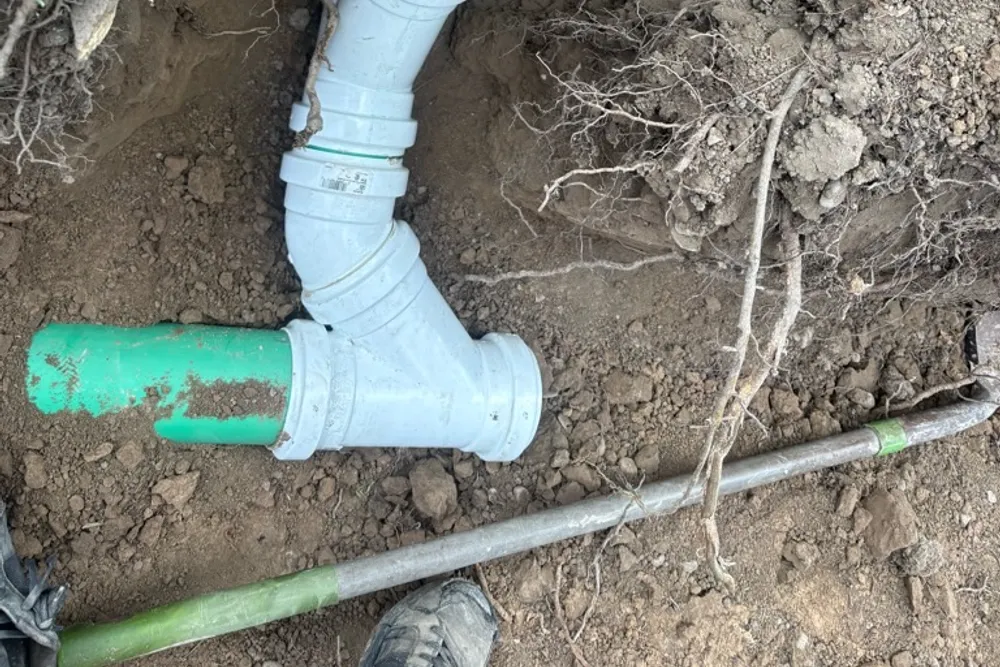
A repair treats the damaged section. A replacement pulls out the whole run and starts over. On a line that is otherwise sound, the repair is the sensible call.
Lining is the one people ask about most. A resin-soaked sleeve is pulled or inverted into the pipe and left to cure. When it hardens, you have a new pipe wall inside the old one. No trench, no torn-up floor.
There are limits. Crushed, collapsed or heavily corroded pipe has nothing left to bond to. We scope it first. If the wall is flaking into the camera light, lining will not hold and we say so.
- Epoxy lining - a cured resin sleeve that forms a new wall inside the old pipe
- Pipe clamps - a gasketed sleeve bolted over a pinhole or split seam
- Slip couplings - a short section cut in to bridge a clean break
- Spot patching - solder, press or compression work on a single joint
Signs a Pipe Is Cracked Behind a Wall or Under Slab
Hidden leaks give themselves away slowly. Damp drywall near the bottom of a wall. A warm patch on a tile floor over a slab. A musty smell in a closet that never airs out. Water use that climbs with no change at home.
Not every noise is a leak. Knocking usually means a loose pipe strap or water hammer from a fast-closing valve. Whistling points to a tight valve seat or pressure that is too high. Neither one is a crack.
To find the break we pressure test the line and run a camera scope where the pipe is big enough. That tells us the spot, not a guess. Nine times out of ten on slab leaks, the break sits near a bend. If water is spreading, shut the main valve first. Then call.
When to Patch a Pipe and When to Replace the Line
One leak in a line that is still young is a repair. A clamp or a cut-in coupling, tested, closed up, done. Repeat pinholes along the same run are a different story. That is the pipe telling you the wall thickness is gone, and patch after patch just chases it.
Material and age decide a lot. Copper, galvanised steel and PEX all age differently, and galvanised is usually the first to go. Utah County water is hard, and the scale it leaves builds at joints and fittings. Add winter freeze cycles and the old solder joints take the strain.
Buried and under-slab lines change the math. Opening a trench or a finished floor costs more than the pipe does. That is where lining earns its place. We see it every season.
How a Plumber Repairs a Broken Pipe Step by Step
Here is the order we work in on a typical hidden leak.
Finished rooms need an access point, and we talk that through before cutting. A ceiling below a bathroom is often the kindest spot. Damp framing and insulation get dried out too, because wet cavity insulation never recovers. The CDC's guidance on mold and dampness in the home explains why drying matters within a couple of days.
- Shut off the water at the main and drain the line down
- Open an access point at the leak located by scope or pressure test
- Clean and dry the pipe section so the repair can bond or seal
- Pick the method: clamp, slip coupling, solder or press joint, or cured lining
- Cure the lining or tighten the fitting to spec
- Pressure test the line before anything gets closed
- Dry the framing and insulation, then patch the opening
Keeping Spanish Fork Pipes From Breaking Again
Most repeat breaks we see start in the same places. Crawl spaces, unheated garages, and pipe run through exterior walls. Winter nights in the valley drop well below freezing, and cold air pools low in the benches. Sleeve those runs with foam insulation. The Department of Energy's Energy Saver pages cover pipe insulation well.
House pressure is the quiet culprit. Too much of it splits joints and shortens the life of every fitting in the house. We gauge it at a hose bibb, and if it is high the fix is a pressure reducing valve. Utah plumbing code sets a ceiling on supply pressure.
Before the first hard freeze, shut the interior valve to each hose bibb and drain it. Takes about two minutes. One more thing: never let anyone use plumbing pipe as an electrical ground path or conduit. Code forbids it, and we still find it.
Booking a Pipe Repair Visit in Spanish Fork and Nearby Towns
We work across Spanish Fork and the south end of the valley, including Payson, Salem, Mapleton, Elk Ridge and Provo. Lehi, American Fork, Orem and the towns west of the lake are on the route too.
Have a few things ready and the visit goes faster. Know where your main shut-off is. Take photos of the damp spot before you mop it. Note when it started and whether it got worse.
Ask for what we found, not just what we did. A camera scope image or a pressure reading tells you the condition of the rest of the line. Our hours and directions are listed on the Google Business Profile. If water is still running after you shut the main, call right away at (385) 230-3674.
The Bottom Line
Most broken pipes do not need the whole line pulled out. A clamp, a cut-in coupling or a cured lining fixes the damaged section and leaves the rest alone. What decides it is pipe age, how many leaks you have had, and how hard the line is to reach. Find the break properly first, with a pressure test or a camera, then pick the method. If you want the wider picture, our plumbing pipe repair page covers the options in more detail.